Washington State University (WSU) is a public research university located in Pullman, Washington. Established in 1890, it began as a land-grant institution with a focus on agricultural and mechanical arts. Over the years, WSU has expanded its academic offerings and now serves as one of the leading research universities in the region with multiple campuses across the state, including in Spokane, Tri-Cities, and Vancouver. Its main campus in Pullman is known for its picturesque setting and vibrant college-town atmosphere, contributing to a strong sense of community among students and faculty.
What sets Washington State University apart is its commitment to innovation and impact. The university is particularly renowned for its research initiatives, especially in agriculture, engineering, and environmental sciences. WSU's research efforts are supported by its membership in the Association of Public and Land-grant Universities, which underscores its contributions to addressing some of the world's most pressing challenges. The institution is also celebrated for its Cougar Pride, which fosters a strong sense of belonging and community spirit both on-campus and among its extensive alumni network.
Academically, Washington State University offers a wide range of programs, with strengths in areas such as veterinary medicine, where it is consistently ranked among the top programs in the nation. The Edward R. Murrow College of Communication is another standout, known for its cutting-edge curriculum and preparation for careers in media and communication. Additionally, the university's College of Agricultural, Human, and Natural Resource Sciences is a leader in research and innovation, particularly in sustainable agriculture and food systems. WSU's commitment to providing hands-on learning experiences is evident through its numerous research opportunities and internship programs, which are integral parts of the academic journey.
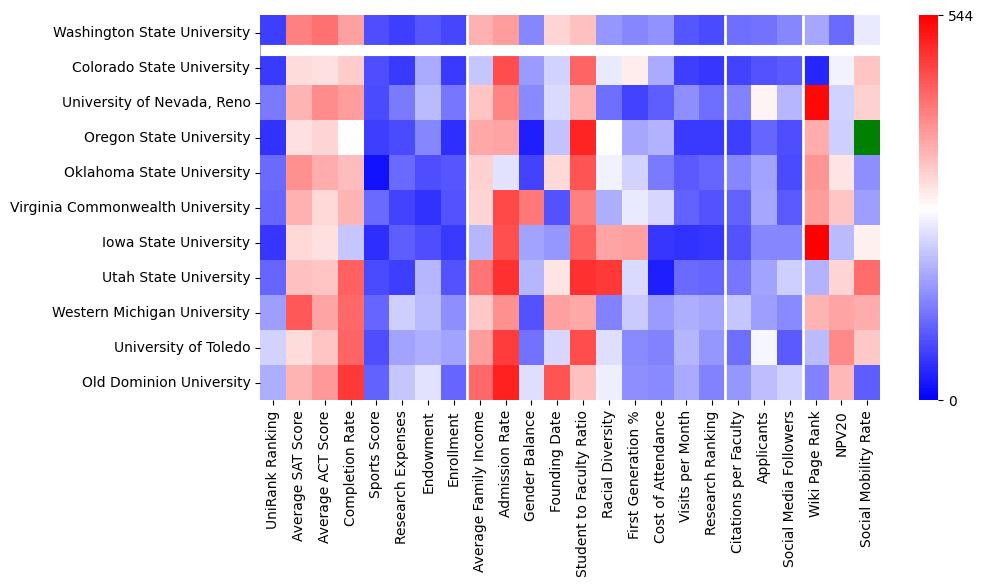
Despite its many strengths, Washington State University faces challenges typical of large public universities. One area of concern is the student-to-faculty ratio, which can sometimes result in larger class sizes and less personalized attention for students, particularly in lower-division courses. Additionally, while the Pullman campus offers a close-knit community, its rural location can be limiting for students seeking diverse cultural experiences or urban amenities. However, the university continually works to improve these aspects by investing in student services and expanding its campus facilities to enhance the overall student experience.